Buy theflorist.eu ?
We are moving the project
theflorist.eu .
Are you interested in purchasing the domain
theflorist.eu ?
domain@kv-gmbh.de · 0541-91531010
Buy theflorist.eu ?
What is transpiration in biology?
Transpiration is the process by which plants absorb water through their roots and then release it into the atmosphere through small openings in their leaves called stomata. This process helps plants to regulate their temperature, transport nutrients, and maintain their shape. Transpiration also plays a role in the water cycle by returning water vapor to the atmosphere. **
How does transpiration depend on humidity?
Transpiration is the process by which water is lost from a plant through the stomata in its leaves. Humidity affects transpiration because it is the measure of water vapor in the air. When the air is dry, with low humidity, the plant will transpire more to compensate for the lack of moisture in the air. Conversely, when the air is humid, with high humidity, the plant will transpire less because the air already contains a significant amount of water vapor. Therefore, transpiration is directly influenced by the humidity of the surrounding air. **

Similar search terms for Transpiration
Top-Angebote
Products related to Transpiration:
-
Advantage Flower Garden Pink Blossoms WallpaperA wild medley of flowers, with a few mushrooms, strawberry plants, and visiting lady bugs thrown into the mix, create an everlasting indoor garden. Seen here in vibrant shades of pink, raspberry, peach, aqua, and green against white.71,99 $*Shipping: 0,00 $Secure redirect to the provider
-
ARCILLA ELEMENTAL Pink Dried Plant Tall Home Decor Natural Foliage with Pink PetalsYou can incorporate this pink natural foliage into a living room, bedroom or office for an instant rustic charm. This item ships in 1 carton. Suitable for indoor use only. This item ships fully assembled in one piece. Made in India.42,99 $*Shipping: 0,00 $Secure redirect to the provider



-
What does a transpiration diagram look like?
A transpiration diagram typically shows the movement of water through a plant, from the roots to the leaves, and its subsequent release into the atmosphere through the process of transpiration. It often includes arrows to indicate the direction of water flow, as well as labels to identify the different parts of the plant involved in transpiration, such as roots, stem, and leaves. The diagram may also include annotations to explain the role of stomata in regulating transpiration and the factors that influence the rate of water loss. **
-
What is the significance of transpiration for plants?
Transpiration is essential for plants as it helps in the absorption of water and nutrients from the soil through the roots. It also helps in maintaining the plant's temperature by cooling the leaves through the process of evaporation. Additionally, transpiration plays a crucial role in the transportation of minerals and nutrients from the roots to the leaves and other parts of the plant. Overall, transpiration is vital for the overall health and growth of plants. **
-
Why do dead hair reduce transpiration in plants?
Dead hair reduces transpiration in plants because it forms a protective layer over the surface of the plant, reducing the rate of water loss through transpiration. This layer of dead hair acts as a barrier, preventing excessive water loss and helping the plant to conserve water in dry or arid conditions. Additionally, dead hair can also provide insulation, reducing the impact of environmental factors such as wind and sun exposure, which can further reduce transpiration. Overall, dead hair plays a crucial role in helping plants adapt and survive in challenging environmental conditions. **
-
How can an experiment on plant transpiration be conducted?
An experiment on plant transpiration can be conducted by setting up a simple apparatus called a potometer. This apparatus consists of a plant stem inserted into a capillary tube filled with water, allowing you to measure the rate of water uptake by the plant. By controlling factors such as light intensity, temperature, and humidity, you can observe how these variables affect the rate of transpiration in the plant. By recording the changes in water level in the capillary tube over time, you can calculate the rate of transpiration and draw conclusions about the factors influencing this process. **


How can one conduct an experiment on plant transpiration?
To conduct an experiment on plant transpiration, one can set up a simple experiment using potted plants, plastic bags, a scale, and a ruler. Start by placing a potted plant in a plastic bag and sealing it tightly. Leave the plant in a well-lit area for a set period of time, such as 24 hours. Weigh the plant before and after the experiment to measure the amount of water lost through transpiration. Use the ruler to measure the surface area of the leaves to calculate the rate of transpiration. **
How can the transpiration process in plants be investigated?
The transpiration process in plants can be investigated through several methods. One common method is to use a potometer, which measures the rate of water uptake by a plant. By measuring the change in water level in the potometer over time, the rate of transpiration can be calculated. Another method is to use a gas analyzer to measure the rate of water vapor loss from the leaves of a plant. Additionally, researchers can use isotopic labeling techniques to track the movement of water through the plant and determine the rate of transpiration. These methods provide valuable insights into the transpiration process and its role in plant physiology. **
Top-Angebote
Products related to Transpiration:
-
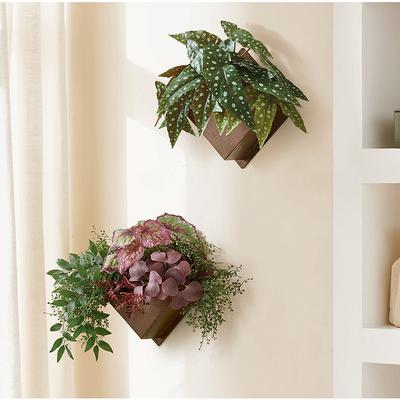
Fall Wall Hanging Arrangements - Mixed Greenery - Grandin RoadChic artificial greenery accent for indoors . Greenery remains lifelike for seasons with no maintenance . Diamond-shaped vessel adds a subtle shine in antiqued bronze tones . Arrangement hangs flat against wall with incorporated keyhole at back ....69,00 $*Shipping: 14,95 $Secure redirect to the provider
-
Advantage Flower Garden Pink Blossoms WallpaperA wild medley of flowers, with a few mushrooms, strawberry plants, and visiting lady bugs thrown into the mix, create an everlasting indoor garden. Seen here in vibrant shades of pink, raspberry, peach, aqua, and green against white.71,99 $*Shipping: 0,00 $Secure redirect to the provider
-
What is transpiration in biology?
Transpiration is the process by which plants absorb water through their roots and then release it into the atmosphere through small openings in their leaves called stomata. This process helps plants to regulate their temperature, transport nutrients, and maintain their shape. Transpiration also plays a role in the water cycle by returning water vapor to the atmosphere. **
-
How does transpiration depend on humidity?
Transpiration is the process by which water is lost from a plant through the stomata in its leaves. Humidity affects transpiration because it is the measure of water vapor in the air. When the air is dry, with low humidity, the plant will transpire more to compensate for the lack of moisture in the air. Conversely, when the air is humid, with high humidity, the plant will transpire less because the air already contains a significant amount of water vapor. Therefore, transpiration is directly influenced by the humidity of the surrounding air. **
-
What does a transpiration diagram look like?
A transpiration diagram typically shows the movement of water through a plant, from the roots to the leaves, and its subsequent release into the atmosphere through the process of transpiration. It often includes arrows to indicate the direction of water flow, as well as labels to identify the different parts of the plant involved in transpiration, such as roots, stem, and leaves. The diagram may also include annotations to explain the role of stomata in regulating transpiration and the factors that influence the rate of water loss. **
-
What is the significance of transpiration for plants?
Transpiration is essential for plants as it helps in the absorption of water and nutrients from the soil through the roots. It also helps in maintaining the plant's temperature by cooling the leaves through the process of evaporation. Additionally, transpiration plays a crucial role in the transportation of minerals and nutrients from the roots to the leaves and other parts of the plant. Overall, transpiration is vital for the overall health and growth of plants. **
Similar search terms for Transpiration
-
ARCILLA ELEMENTAL Pink Dried Plant Tall Home Decor Natural Foliage with Pink PetalsYou can incorporate this pink natural foliage into a living room, bedroom or office for an instant rustic charm. This item ships in 1 carton. Suitable for indoor use only. This item ships fully assembled in one piece. Made in India.42,99 $*Shipping: 0,00 $Secure redirect to the provider
-
Dr. Botanicals Dr Botanicals Classic Tropical Invigorating Cream 50mlThe Dr Botanicals Tropical Invigorating Cream will boost your glow, nourish and hydrate. A lightweight cream formulated with elderflower to protect and repair the skin. This refreshing moisturiser in 50ml tube is a just perfect size to take to your summer holidays, pack to your festival purse or just refresh your skin after a sunny day out. This cream is excellent moisturiser and skin nourisher containing Elderflower, Chamomile and Aloe Vera that will refresh and soothe your skin. Ideal for all skin types. Light cream Extra light moisturiser for day & night Nourish, hydrate and restore Formulated for sensitive skin Contains Elderflower, Aloe Vera and Chamomile Evens and balances skintone for truly flawless cover Protects against free-radical damage Calms and soothes irritated skin 100% Cruelty free and Vegan What the key ingredients are effective for: Elderflower - aims to hydrate and protect from free radical stress Aloe Vera - aims to moisturise and soothe irritated skin Chamomile - aims to balance and soothe irritate skin Ingredients Aqua (water), Rosa Damascena Flower Water, Glycerin, Glyceryl Strearate SE, Cetearyl Alcohol, Strearic Acid, Cocos Nucifera (coconut) oil, Aloe Barbadensis (Aloe Vera) Leaf Extract, Isoceteth-20, Phenoxyethanol, Polyacrylamide, Benzyl Alcohol, Carbomer, C13-14 Isoparaffin, Sodium Hydroxide, Tocopherol, Laureth-7, Ethylhexylglycerin, Disodium EDTA, Dehydroacetic Acid, Anthemis Nobilis (Chamomile) Flower Extract, Lecithin, Avena Stringosa Seed Extract, Gardenia Tahitensis (Tiare) Flower Extract, Parfum (Fragrance), Sambucus Nigra Flower Extract, Benzyl Salicylate, Potassium Sorbate, Hexyl Cinnamal, Limonene, Sodium Benzoate.17,99 £*Shipping: 0,00 £Secure redirect to the provider
-
Dr. Botanicals Dr Botanicals Classic Cocoa Noir Sensuous Cream 50mlA lightweight hydrating cream with a sensuous cocoa scent. Coconut oil is high in antioxidants and fatty acids that work to hydrate, restore and protect the skin. Tiare Flower Extract works to deeply hydrate and nourish the skin Ingredients Aqua (Water), Glycerin, Glyceryl Stearate SE, Cetearyl Alcohol, Stearic Acid, Cocos Nucifera (Coconut) Oil, Isoceteth-20, Phenoxyethanol, Benzyl Alcohol, Carbomer, Polyacrylamide, Parfum (Fragrance), C13-14 Isoparaffin, Disodium EDTA, Ethylhexylglycerin, Dehydroacetic Acid, Coumarin, Laureth-7, Gardenia Tahitensis (Tiare Flower) Extract, Alpha-isomethyl Ionone, Limonene.17,99 £*Shipping: 0,00 £Secure redirect to the provider
-
Why do dead hair reduce transpiration in plants?
Dead hair reduces transpiration in plants because it forms a protective layer over the surface of the plant, reducing the rate of water loss through transpiration. This layer of dead hair acts as a barrier, preventing excessive water loss and helping the plant to conserve water in dry or arid conditions. Additionally, dead hair can also provide insulation, reducing the impact of environmental factors such as wind and sun exposure, which can further reduce transpiration. Overall, dead hair plays a crucial role in helping plants adapt and survive in challenging environmental conditions. **
-
How can an experiment on plant transpiration be conducted?
An experiment on plant transpiration can be conducted by setting up a simple apparatus called a potometer. This apparatus consists of a plant stem inserted into a capillary tube filled with water, allowing you to measure the rate of water uptake by the plant. By controlling factors such as light intensity, temperature, and humidity, you can observe how these variables affect the rate of transpiration in the plant. By recording the changes in water level in the capillary tube over time, you can calculate the rate of transpiration and draw conclusions about the factors influencing this process. **
-
How can one conduct an experiment on plant transpiration?
To conduct an experiment on plant transpiration, one can set up a simple experiment using potted plants, plastic bags, a scale, and a ruler. Start by placing a potted plant in a plastic bag and sealing it tightly. Leave the plant in a well-lit area for a set period of time, such as 24 hours. Weigh the plant before and after the experiment to measure the amount of water lost through transpiration. Use the ruler to measure the surface area of the leaves to calculate the rate of transpiration. **
-
How can the transpiration process in plants be investigated?
The transpiration process in plants can be investigated through several methods. One common method is to use a potometer, which measures the rate of water uptake by a plant. By measuring the change in water level in the potometer over time, the rate of transpiration can be calculated. Another method is to use a gas analyzer to measure the rate of water vapor loss from the leaves of a plant. Additionally, researchers can use isotopic labeling techniques to track the movement of water through the plant and determine the rate of transpiration. These methods provide valuable insights into the transpiration process and its role in plant physiology. **
* All prices are inclusive of VAT and, if applicable, plus shipping costs. The offer information is based on the details provided by the respective shop and is updated through automated processes. Real-time updates do not occur, so deviations can occur in individual cases. ** Note: Parts of this content were created by AI.